Livelihoods program — Economic Independence

Economic Independence

Livelihoods

Vocational training, microfinance, agricultural cooperative support, and economic development for sustainable self-reliance in crisis-affected communities.

Where We Implemented

Implementation locations

This program has been delivered in the following areas.

Eastern Equatoria
View all regions

Our Approach

How we deliver impact

Economic self-reliance breaks cycles of dependency. We equip individuals — especially women and youth — with market-relevant skills, seed capital, and ongoing mentorship to build businesses that sustain families and strengthen communities.

“I joined the vocational training with nothing but hope. Six months later I had a sewing machine, customers, and enough income to pay school fees for my children.”
Amina Hassan

Amina Hassan

Tailoring graduate · Magwi, South Sudan

Program Highlights

What we deliver

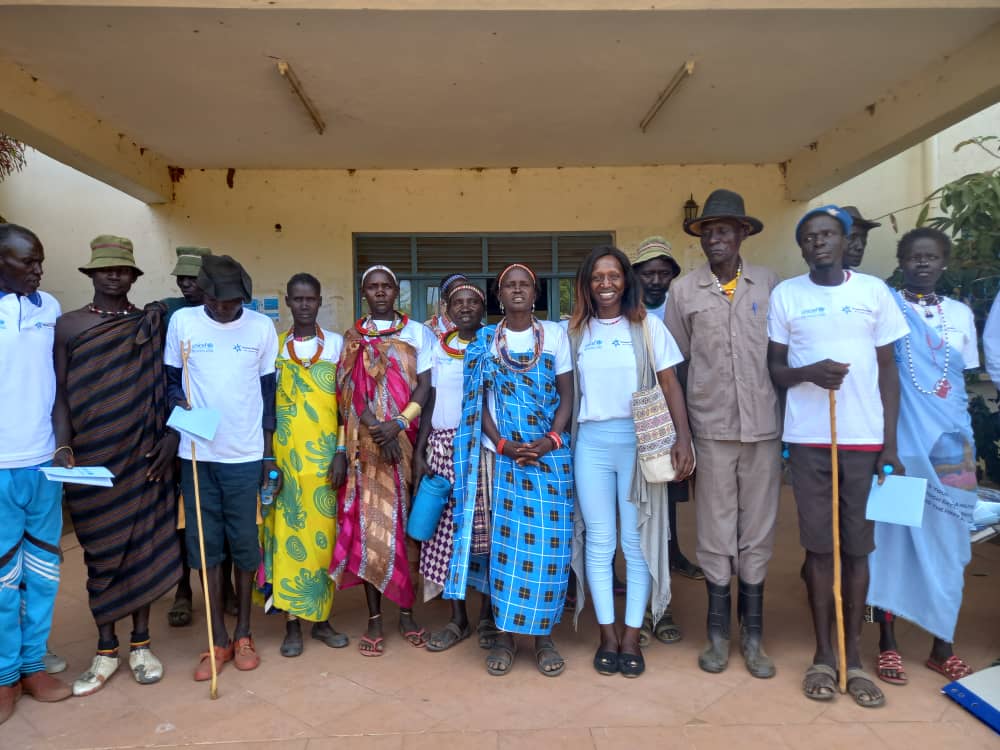
Vocational skills training programs and microfinance support in the greater equatoria and Jonglei states

Our Programming Priorities

How we build livelihoods

1

Youth Skills and Employment

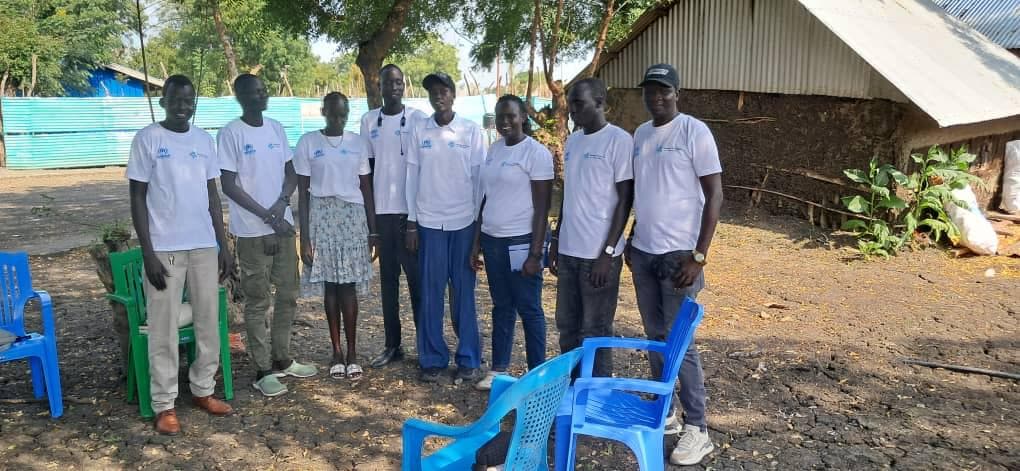
Young people represent a significant source of energy, innovation and economic potential. HWW therefore equips young people with skills that translate into real economic opportunity and supports them to acquire practical skills, explore employment pathways, develop enterprises and participate meaningfully in their communities as workers, entrepreneurs, innovators, leaders and agents of change through:

  • Market-relevant training
  • Employability skills
  • Entrepreneurship training
  • Job-readiness support
  • Apprenticeships and mentorship
  • Enterprise development
  • Youth-led economic initiatives
  • Linkages with employers and markets
  • Youth participation in community development
2

Enterprise Development

Small businesses and entrepreneurs are critical to local economies, particularly in fragile and underserved communities.

HWW supports individuals and groups to strengthen their ability to establish, manage and grow sustainable enterprises and move from short-term assistance towards sustainable economic participation through:

  • Business skills
  • Entrepreneurship training
  • Business planning
  • Financial literacy
  • Mentorship
  • Access to finance
  • Enterprise strengthening
  • Market linkages
  • Value-chain participation
  • Income-generating activities
3

Agriculture and Livelihoods

Agriculture is an important source of food, income and employment for many communities across fragile and rural settings.

HWW supports agricultural livelihoods and community-based economic activity by strengthening skills, production, organization and market opportunities.

Areas of focus include:

  • Agricultural skills
  • Farmer training
  • Sustainable production
  • Livelihood diversification
  • Producer groups
  • Cooperatives
  • Agricultural enterprises
  • Market access
  • Value-chain development
  • Income-generating activities
4

Financial Inclusion

People and enterprises need access to appropriate financial services and the knowledge to manage resources effectively.

HWW supports financial inclusion through approaches such as:

  • Financial literacy
  • Savings
  • Access to appropriate financial services
  • Microfinance-related support
  • Enterprise finance
  • Financial management
  • Linkages to financial institutions
  • Support to community-based financial mechanisms
5

Refugee-Led Organisations

People affected by displacement are not simply recipients of assistance. They possess knowledge, networks, leadership and solutions that can contribute to stronger communities.

HWW supports Refugee-Led Organizations (RLOs) to strengthen their capacity, participation and ability to contribute to solutions affecting their communities.

Our approach includes:

  • Organizational capacity strengthening
  • Leadership development
  • Institutional development
  • Community engagement
  • Partnership opportunities
  • Participation in programme design
  • Linkages with humanitarian and development actors
  • Support for locally led solutions
6

Cooperatives and Collective Economic Action

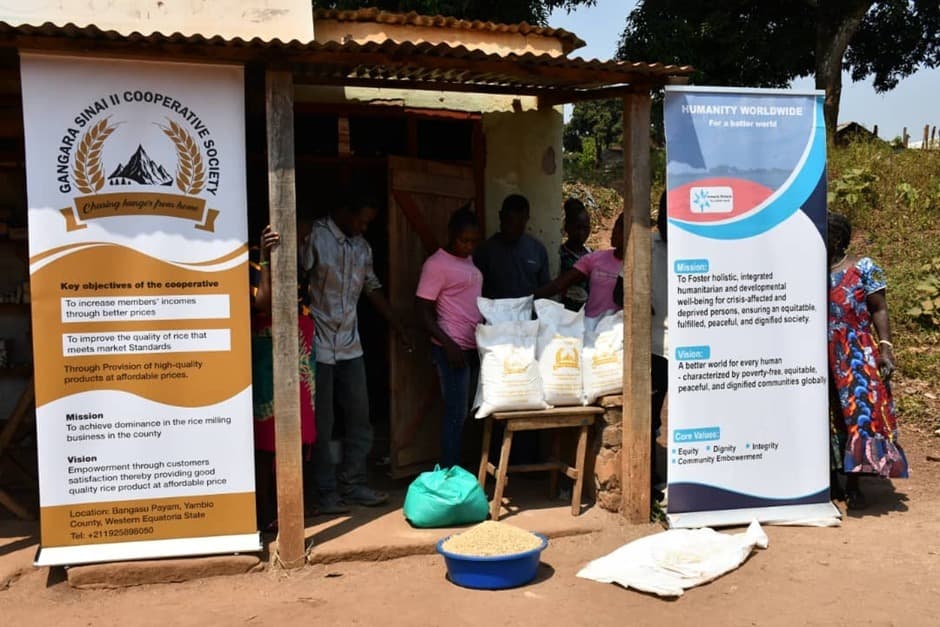
Cooperatives can provide communities with a platform to pool resources, improve production, strengthen bargaining power and access markets.

HWW supports cooperative development through:

  • Cooperative governance
  • Leadership and management
  • Business development
  • Financial management
  • Skills development
  • Production and productivity
  • Market linkages
  • Value-chain development
  • Member capacity strengthening
7

Peacebuilding and Social Cohesion

HWW recognizes that communities facing conflict, displacement and economic exclusion require approaches that strengthen both livelihoods and social relationships.

HWW therefore integrates peacebuilding and social cohesion into appropriate programming, particularly through:

  • Youth engagement
  • Community dialogue
  • Inclusive participation
  • Conflict-sensitive programming
  • Community structures
  • Livelihood opportunities
  • Local capacity strengthening
  • Social cohesion initiatives
8

Transitional Shelter and Community Resilience

Safe and dignified shelter remains an essential component of humanitarian response.

HWW supports transitional shelter interventions for vulnerable and displaced populations while connecting shelter support to broader community resilience and recovery approaches.

In the Field

Program gallery

Livelihoods — photo 1
Livelihoods — photo 2
Livelihoods — photo 3

Join Us in Making a Difference

Partner with us, volunteer, or follow the work in the field. There are many ways to stand with communities across East Africa.